
A beautiful home is not defined by its size. It is defined by how thoughtfully every space is planned, how naturally the rooms flow together, and how comfortably the people living there can experience it. Interior design is the art of transforming available space into an environment that feels beautiful, functional and personal. With the right planning, even compact spaces can feel spacious, while larger homes can be designed to feel warm and inviting. Today, homeowners are increasingly looking for interiors that combine elegance with practicality. The focus is no longer simply on adding decorative elements, but on creating spaces that work effortlessly for everyday life. Here are some smart design principles that can transform the way you experience your home.
Make Every Square Foot Count
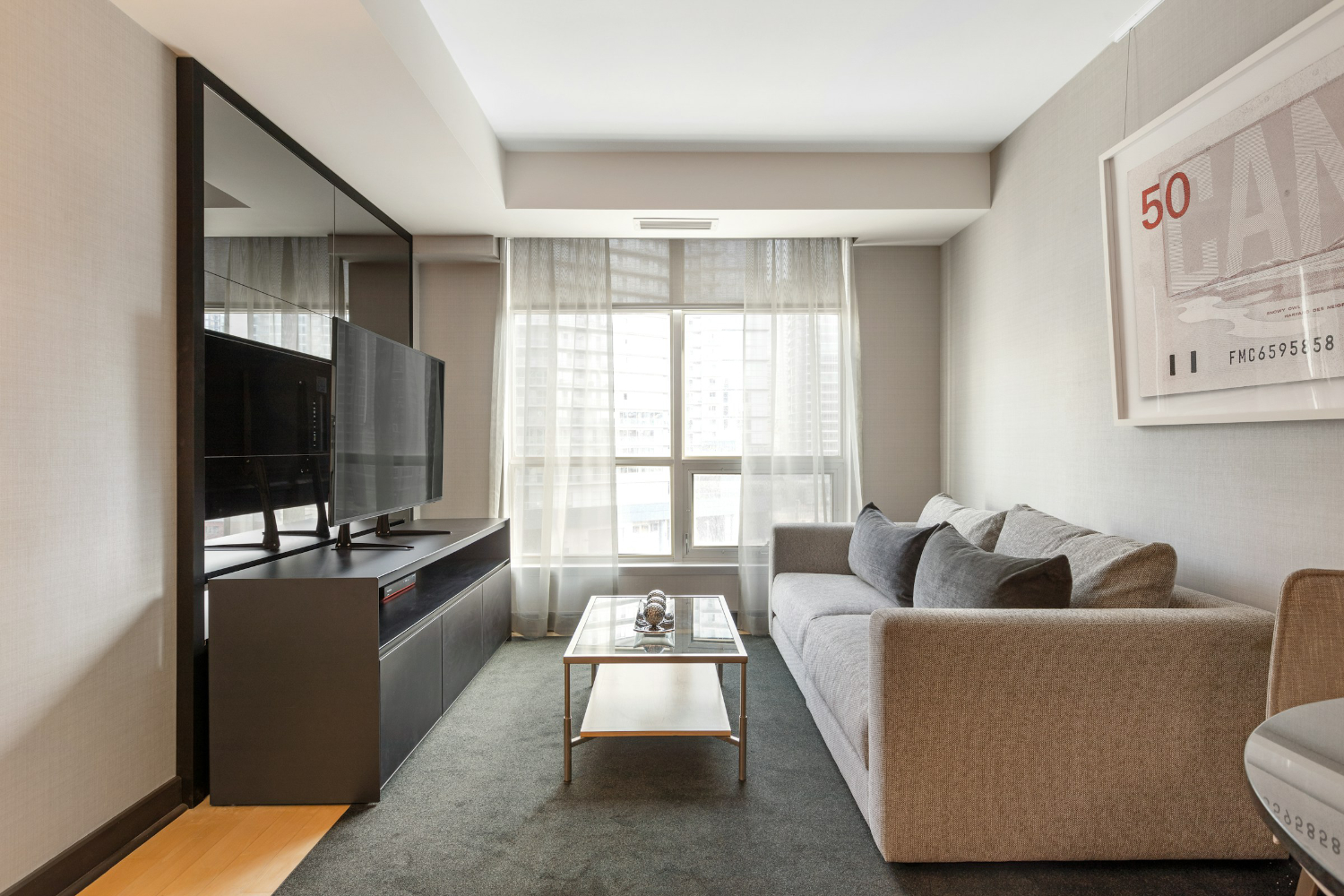
Smart design begins with efficient space planning. Every room should have a clear purpose, while circulation areas should allow people to move comfortably without unnecessary obstacles. Furniture should be selected according to the proportions of the room rather than simply based on appearance. In smaller homes, thoughtful planning can make a significant difference. Built-in furniture, concealed storage and multifunctional spaces can help maximize usable area without making the home feel crowded. The objective is simple: use space intelligently without compromising elegance.
Create a Natural Flow Between Spaces
A well-designed home should feel connected. Living, dining and kitchen areas can be visually linked through consistent flooring, complementary colours, similar materials or carefully coordinated furniture. This doesn’t necessarily mean creating completely open spaces. Glass partitions, decorative screens, half-height walls and furniture placement can define individual zones while maintaining a sense of openness. Good space planning creates a natural visual and physical flow from one area to another.
Embrace the Beauty of Minimalism
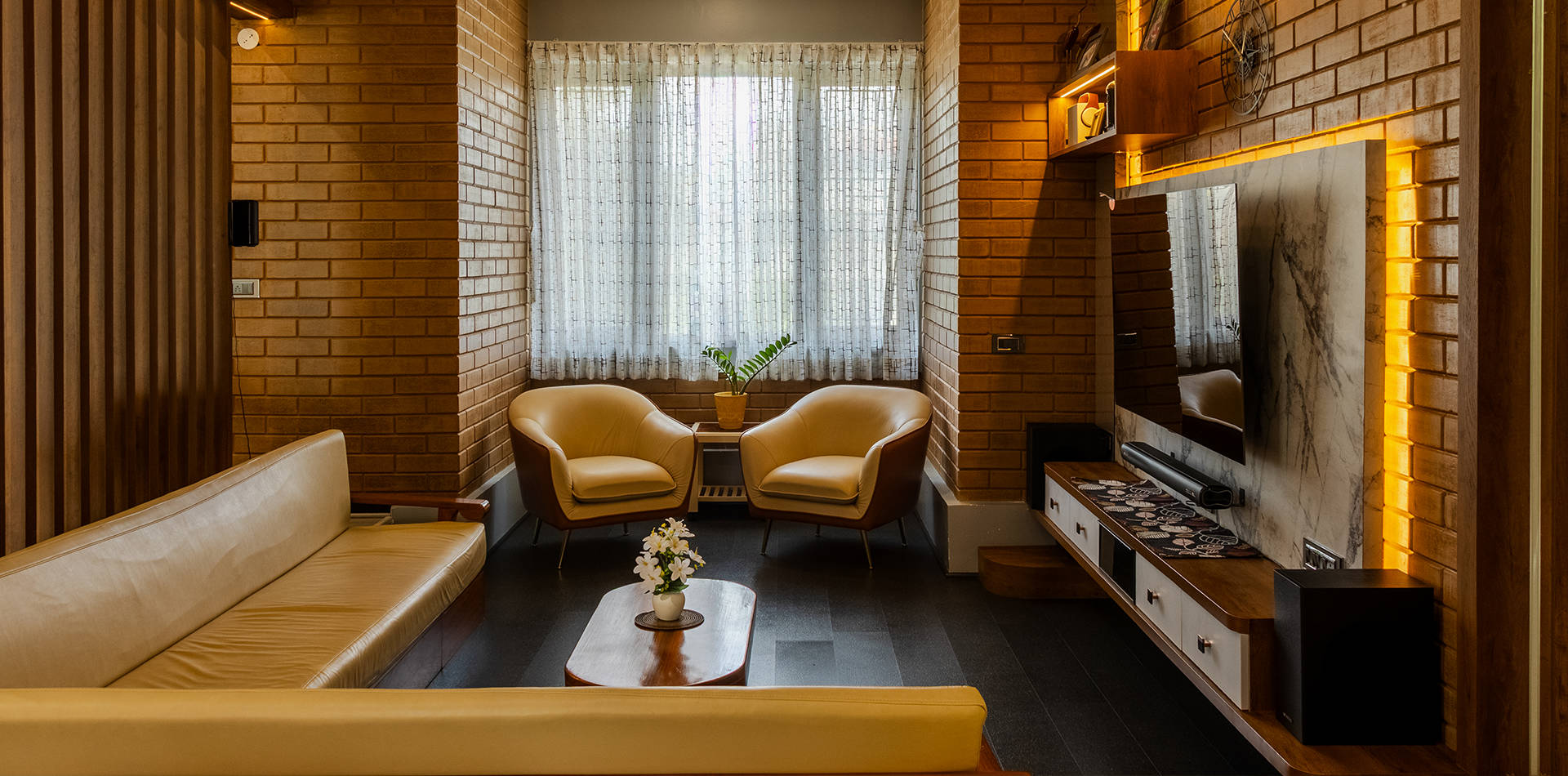
Elegant interiors often follow the principle of less, but better. Instead of filling a room with furniture and accessories, focus on a few carefully selected pieces that contribute to the overall design. Clean lines, uncluttered surfaces, neutral colours and purposeful décor can create a sophisticated atmosphere. Minimalism, however, does not have to mean a cold or empty interior. Warm wood finishes, textured fabrics, soft lighting and artwork can add personality and comfort.
“Smart design begins with efficient space planning. Every room should have a clear purpose, while circulation areas should allow people to move comfortably without unnecessary obstacles.”
Design Storage Into the Architecture
One of the secrets to maintaining an elegant home is effective storage. Instead of relying entirely on standalone cabinets, consider integrating storage into the architecture itself. Full-height wardrobes, built-in entertainment units, concealed kitchen storage, floating cabinets and custom shelving can provide ample storage while maintaining a clean visual appearance. When storage is thoughtfully designed, everyday clutter can remain hidden while the beauty of the interior takes centre stage.
Let Lighting Shape the Space
Lighting can dramatically influence the character of a room. A sophisticated lighting plan combines different types of illumination to create depth and atmosphere. Ambient lighting provides general illumination, while task lighting supports activities such as reading, cooking and working. Accent lighting can highlight artwork, architectural details, textures or decorative features. Natural light should also be considered during the planning stage. Large windows, glass doors and carefully positioned openings can bring daylight deep into the home. The right combination of natural and artificial lighting can make interiors feel warmer, brighter and more welcoming.
Use Materials to Create Character
Materials play an important role in defining the personality of an interior. Wood can introduce warmth. Marble can add sophistication. Stone can create a sense of natural elegance, while glass and metal can contribute to a contemporary aesthetic. The secret lies in balancing materials rather than using too many of them. Combining a few complementary textures can create an interior that feels rich and sophisticated without becoming visually overwhelming.
Bring Nature Into Your Home
Natural elements have the ability to make interiors feel calm and inviting. Indoor plants, wooden finishes, natural stone, earthy colours and abundant daylight can create a connection between indoor and outdoor environments. Even a small balcony garden, indoor planter or green corner can add freshness and personality to a home. Biophilic design is not simply about adding plants. It is about creating an environment that feels naturally connected to the world outside.
Choose Furniture for Both Beauty and Comfort
Furniture is one of the most visible elements of an interior, but appearance should never come at the expense of comfort. Sofas should support relaxed living. Dining furniture should accommodate everyday use. Beds should provide comfort while complementing the bedroom design. Scale is equally important. Oversized furniture can make a small room feel cramped, while furniture that is too small can make a large room feel disconnected. The ideal furniture selection balances proportion, comfort, functionality and aesthetics.
Create Flexible Spaces
Modern homes need to accommodate changing lifestyles. A study can double as a guest room. A living room corner can become a home office. A breakfast counter can function as a casual workspace. Designing flexible spaces allows homeowners to adapt their homes as their needs evolve. Multifunctional furniture, sliding partitions and cleverly integrated storage can make these transformations easier while maintaining a cohesive design.
Add Personality Through Details
An elegant home should still feel personal. Artwork, photographs, handcrafted décor, books, travel souvenirs and statement accessories can tell the story of the people who live there. Rather than following every interior trend, select elements that have meaning and complement the overall design. These personal details often become the features that make a house truly feel like home.
Balance Style with Everyday Practicality
One of the biggest mistakes in interior design is focusing entirely on appearance. A home needs to work for real life. Materials should be practical to maintain. Storage should be accessible. Furniture should support everyday activities. Lighting should be comfortable. Layouts should accommodate the way family members actually use the space. True elegance is achieved when functionality becomes part of the design.
Design for the Future
A good interior should not only look beautiful when it is completed; it should continue to work well for years. Consider how your family might change, how technology may evolve and how rooms might be used differently in the future. Planning for additional storage, flexible furniture arrangements, smart-home infrastructure and adaptable spaces can make an interior more future-ready.
The Art of Space Is the Art of Living
Great interior design is not about making a space look expensive. It is about making every element feel intentional. From the layout and lighting to furniture, materials, storage and décor, every decision contributes to how a space looks and, more importantly, how it feels to live in. At Saanvi Interiors & Constructions, we believe that elegant interiors begin with intelligent planning. Our approach brings together creativity, functionality and practical execution to create spaces that reflect our clients’ lifestyles while delivering lasting comfort and visual appeal.
Whether it is a contemporary apartment, a luxurious villa or a complete home transformation, our goal is to make every square foot meaningful.
Because when space is designed thoughtfully, everyday living becomes an experience.
Customer Reviews
Nemo enim ipsam voluptatem quia voluptas sit aspernatur aut odit aut fugit, sed quia consequans magni dolores eos qui ratione voluptatem sequi nesciunt.
Nemo enim ipsam voluptatem quia voluptas sit aspernatur aut odit aut fugit
Nemo enim ipsam voluptatem quia voluptas sit aspernatur aut odit aut fugit, sed quia conse quans magni dolores eos qui ratione voluptatem sequi nesciunt.