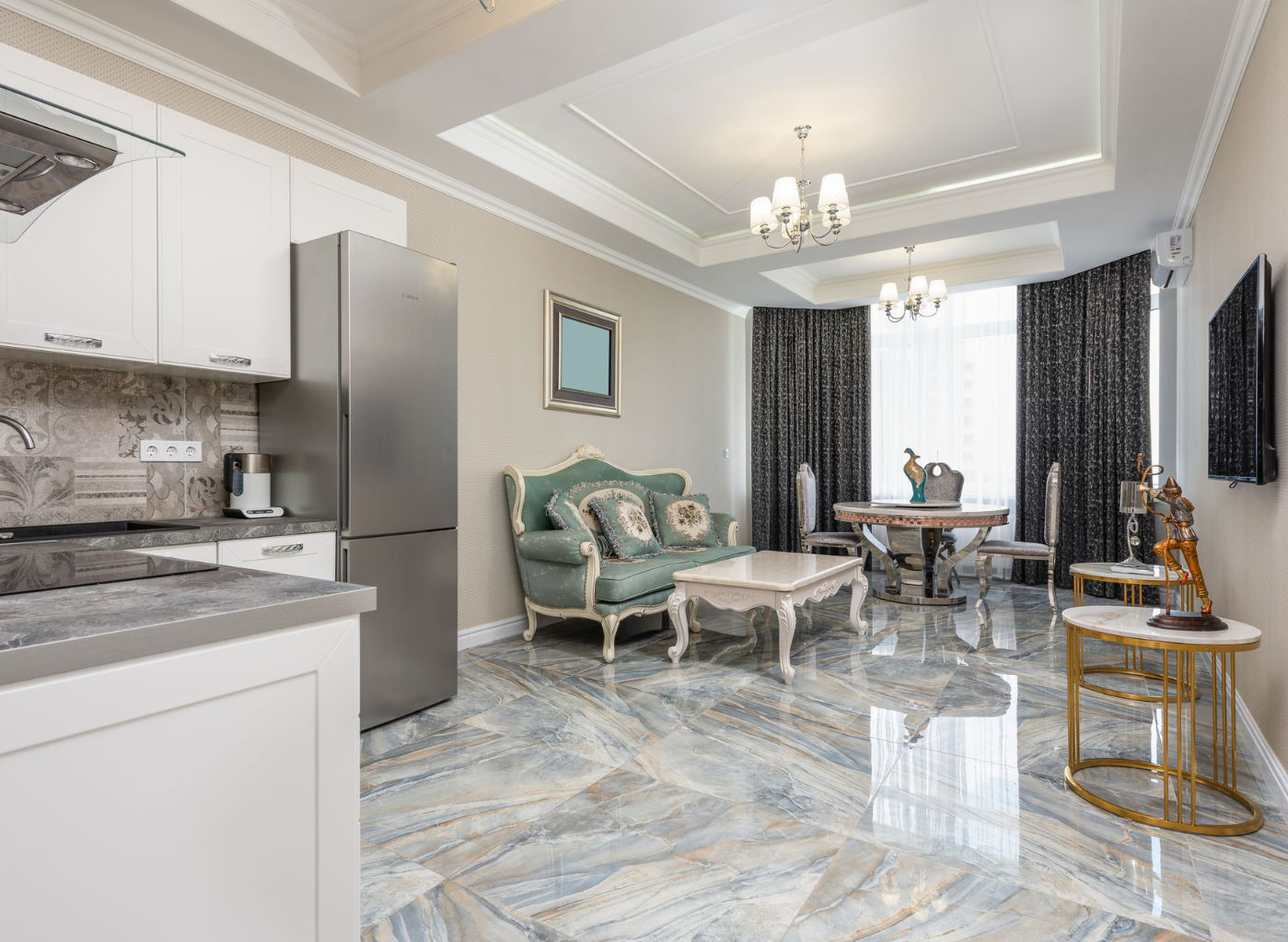
In today’s fast-changing world, a home is no longer simply a structure with walls, doors and windows. It is where we work, relax, entertain, connect with family and create memories. As lifestyles evolve, the way we design and build our spaces must evolve with them.
This is where architecture meets modern living.
Good architecture is not just about creating visually impressive buildings. It is about understanding how people live and translating those needs into spaces that are comfortable, functional, sustainable and beautiful. The true art lies in creating harmony between the building, its interiors and the people who inhabit it.
Architecture That Understands the Way You Live
Every individual and family has a unique lifestyle. Some prefer open and social spaces, while others value privacy and quiet corners. Some need dedicated workspaces, while others want expansive areas for family gatherings. Modern architecture begins by understanding these individual requirements.
Rather than following a one-size-fits-all approach, thoughtful architectural design considers factors such as:
- The way spaces are used throughout the day
- Natural light and ventilation
- Privacy and connectivity between rooms
- Movement and circulation within the home
- Storage requirements
- Family size and lifestyle
- Future changes in family needs
- Energy efficiency and environmental considerations
When these elements are considered from the beginning, architecture becomes more than a visual exercise. It becomes a framework for better living.
The Seamless Connection Between Architecture and Interiors
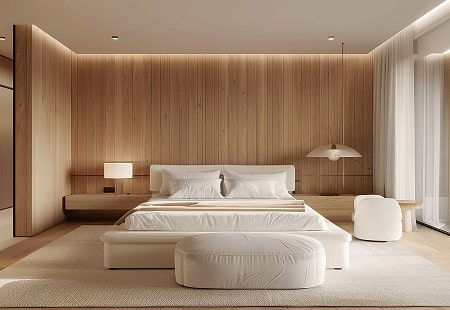
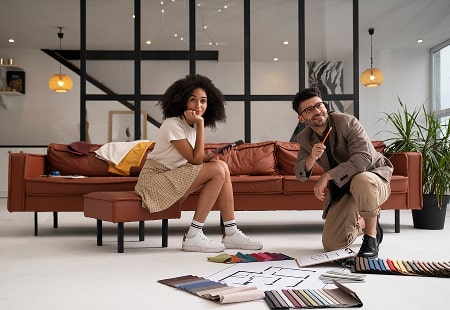
Architecture creates the foundation of a space. Interior design gives that space its personality. The most successful homes are those where architecture and interiors are considered together rather than as two completely separate processes. The placement of windows influences natural lighting. The ceiling height influences the feeling of openness. The position of walls determines furniture layouts. Electrical points, lighting, plumbing and storage requirements can all influence the final interior. When architects and interior designers work with a unified vision, these elements can complement one another. A contemporary architectural structure, for example, can be enhanced by minimalist interiors, natural materials and carefully selected lighting. Similarly, a traditional architectural character can be complemented by interiors that incorporate timeless materials and contemporary functionality. The objective is not to make every element identical. The objective is harmony.
“Modern interior design transforms ordinary spaces extraordinary environments. The core principle of modern design is “less is more,” focusing on simplicity and the elimination of clutter.”Aaliyah Brown
Designing for Natural Light and Ventilation
Natural light has a profound influence on the experience of a space. A thoughtfully positioned window can transform a room, reducing dependence on artificial lighting during the day while creating a stronger connection with the outdoors. Cross-ventilation can improve comfort and contribute to healthier indoor environments.
Modern residential architecture therefore increasingly focuses on:
- Larger and strategically positioned windows
- Courtyards and internal open spaces
- Skylights where appropriate
- Cross-ventilation
- Shading devices
- Green spaces and balconies
- Strong indoor-outdoor connections
These features can make a home feel brighter, more spacious and more connected to its surroundings.
Functionality Without Compromising Aesthetics
One of the biggest challenges in modern design is finding the right balance between beauty and functionality. A visually beautiful home that lacks adequate storage or has an inefficient layout may quickly become inconvenient. On the other hand, a highly functional space without attention to aesthetics may feel impersonal. Successful design brings both together. Built-in storage can be integrated into walls and furniture. Lighting can be layered to create different moods while providing practical illumination. Furniture can be selected according to the dimensions and circulation patterns of the space. Every design decision should answer an important question:
Does this make the space better to live in?
When the answer is yes, functionality becomes an integral part of the aesthetic rather than something added afterwards.
Creating Spaces That Reflect Personality
A home should tell a story about the people who live there. Colours, textures, materials, furniture, artwork and lighting can all contribute to that story. But personalization does not necessarily mean filling a home with decorative elements. Sometimes, simplicity creates the strongest expression. A carefully selected material palette, a statement piece of furniture, an architectural feature wall or a beautifully designed staircase can become the defining element of an interior. The best spaces often feel natural rather than designed. Every element appears to belong exactly where it is.
Technology Meets Modern Architecture
Technology has become an increasingly important part of modern living. Smart lighting, automated curtains, security systems, climate control, home entertainment and energy-management solutions can all be incorporated into contemporary homes. However, technology should enhance the experience of a space rather than dominate it. Good design integrates technology discreetly, ensuring that switches, sensors, speakers and other devices work seamlessly with the overall interior. The result is a home that feels intelligent without losing its warmth and character.
Designing with Sustainability in Mind
Modern living also brings greater awareness of environmental responsibility. Sustainable design does not always require complicated or expensive solutions. Sometimes, it begins with simple architectural decisions. Maximizing daylight, improving ventilation, reducing heat gain, choosing durable materials and incorporating greenery can all contribute to a more sustainable home. The objective should be to create buildings that are not only beautiful today but remain comfortable, efficient and relevant for years to come.
From Concept to Completion
Great design is only as successful as its execution. The journey from an initial idea to a completed home involves numerous stages — architectural planning, structural coordination, material selection, interior design, vendor management, construction, quality control and project coordination. This is why an integrated approach to architecture, interior design, construction and project management can make a significant difference. When the different stages are coordinated effectively, design decisions can be translated into reality with greater consistency and fewer compromises.
The Saanvi Approach
At Saanvi Interiors & Constructions, we believe that creating a great space begins with understanding the people who will use it. Our approach brings together interior design, design consultation, architectural design, project management and building construction to create spaces where aesthetics and functionality work together. From the initial concept to the final execution, every project is approached with attention to detail, practical planning and a focus on the client’s vision. With experience across 150+ successfully completed projects, our objective remains the same: to create spaces that are thoughtfully designed, carefully executed and built around the way people live.
Designing the Future of Living
Architecture has always reflected the way society lives. As lifestyles continue to change, our homes and workplaces must change with them. The future of design is not simply about bigger spaces, newer materials or smarter technology. It is about creating better spaces. Spaces that feel natural. Spaces that function effortlessly. Spaces that respond to their occupants. Spaces that bring together architecture, interiors, technology, nature and human experience. That is the essence of modern living — and the true meaning of designing harmony.
Design with purpose. Build with precision. Create spaces that belong to you.
Saanvi Interiors & Constructions
Architecture | Interior Design | Construction | Project Management
Customer Reviews
Nemo enim ipsam voluptatem quia voluptas sit aspernatur aut odit aut fugit, sed quia consequans magni dolores eos qui ratione voluptatem sequi nesciunt.
Nemo enim ipsam voluptatem quia voluptas sit aspernatur aut odit aut fugit
Nemo enim ipsam voluptatem quia voluptas sit aspernatur aut odit aut fugit, sed quia conse quans magni dolores eos qui ratione voluptatem sequi nesciunt.